
EVERYTHING IS CONNECTED
Bees are an important part of many ecosystems, but they are far more than just an indicator of a healthy environment. They pollinate crops and wild plants that provide food and shelter for many other species. Everything is connected.
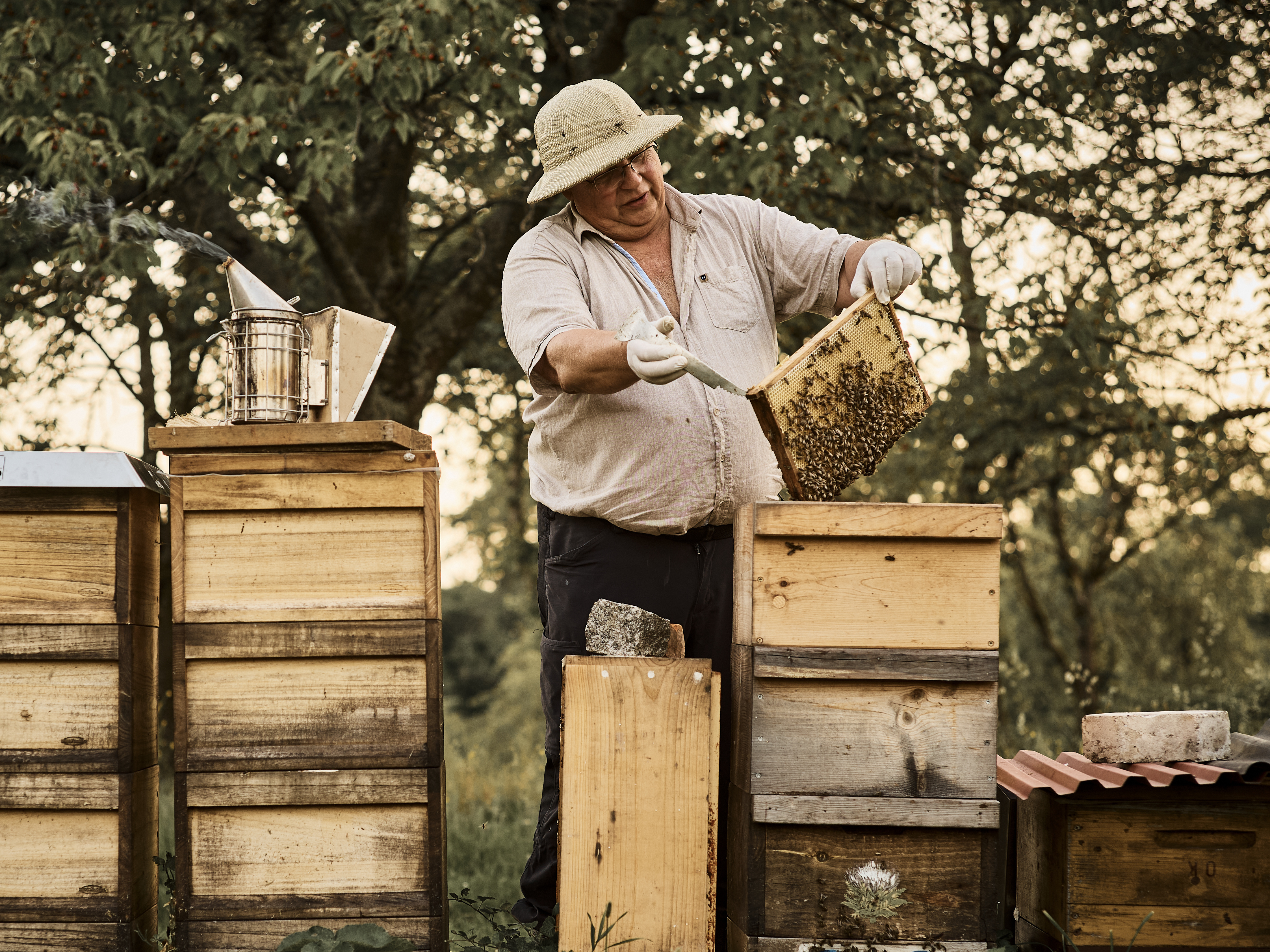
OUR BEE GUARDIANS
RESPONSIBILITY IN ACTION
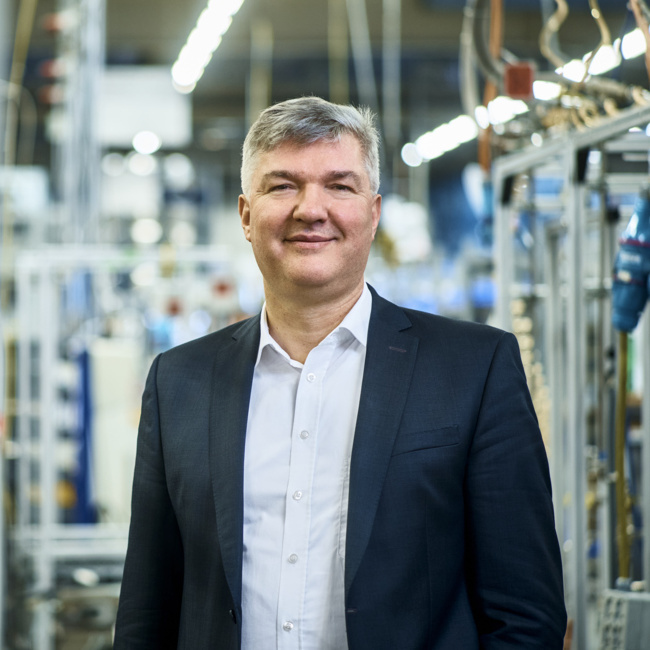
You might be wondering what bees have to do with MEIKO. Well, we've realised that everything is connected. MEIKO gets dishes clean in canteens and restaurants all around the world. Our work depends on people eating – and on there being enough food to eat. Bees are a key element right at the start of that chain. Once you understand that, you have to step up and take responsibility. And that's exactly what we're doing.
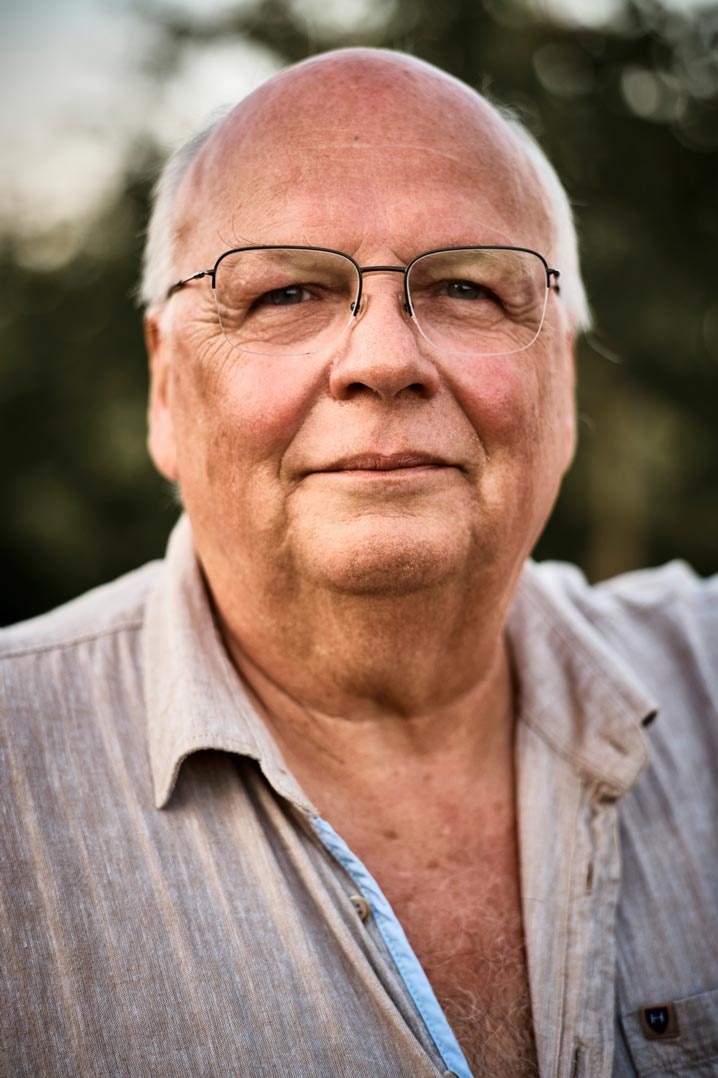
Dr Thomas Peukert, CEO MEIKO Group
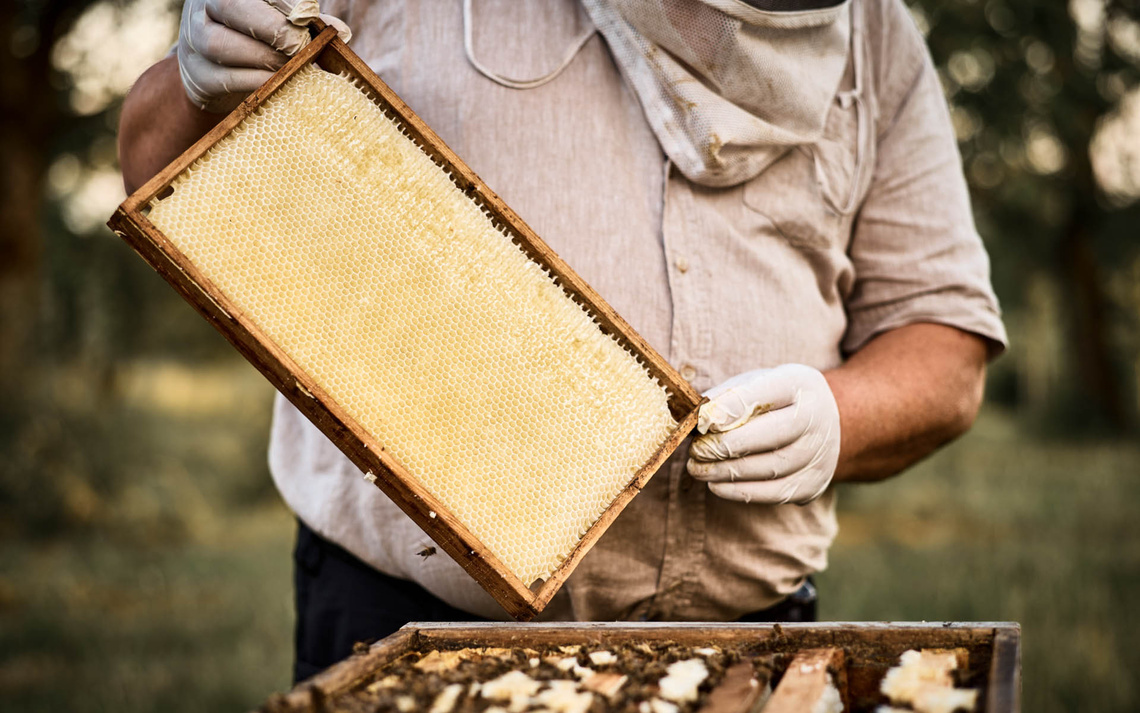
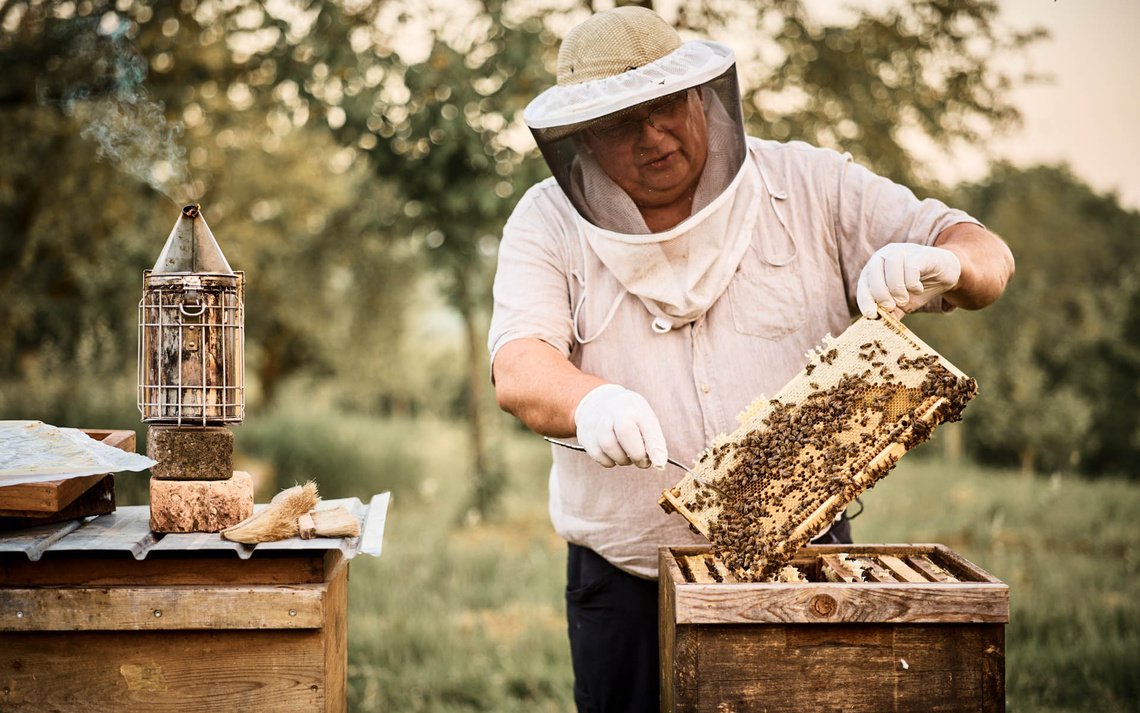
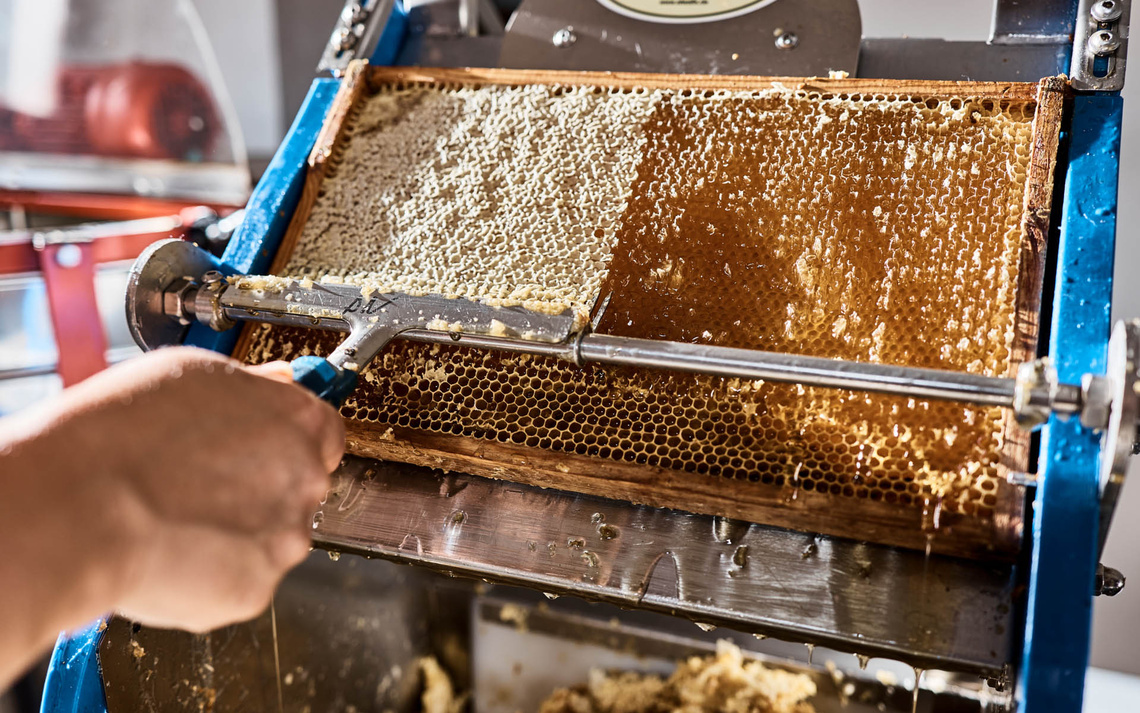
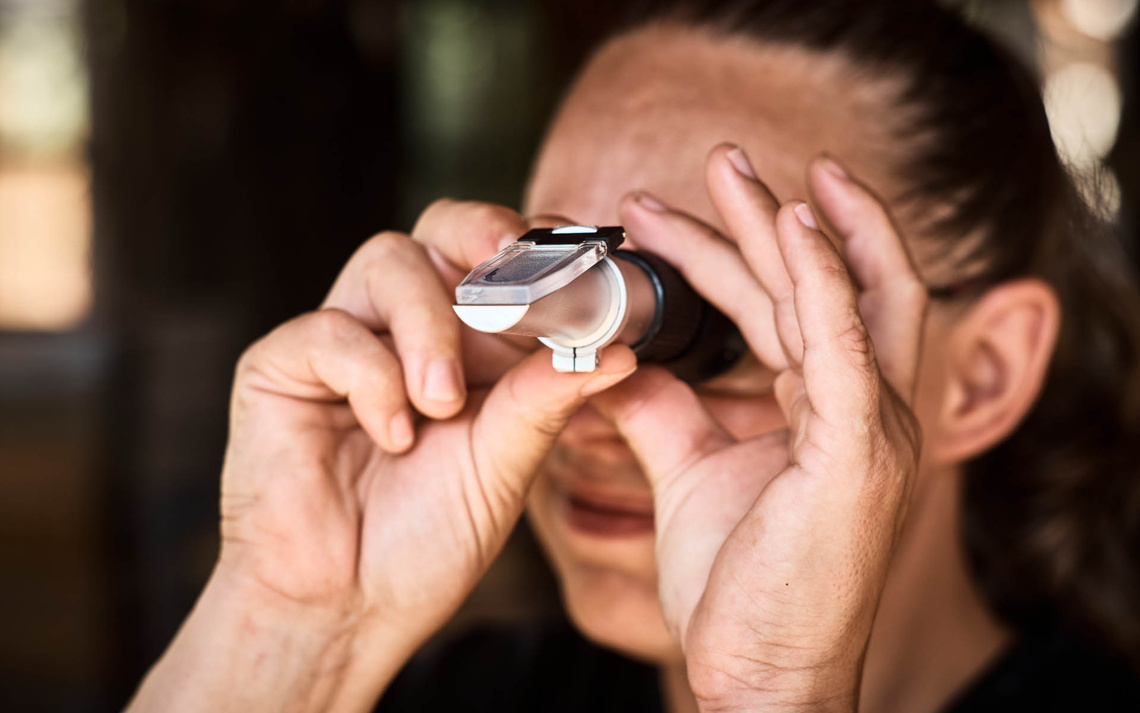
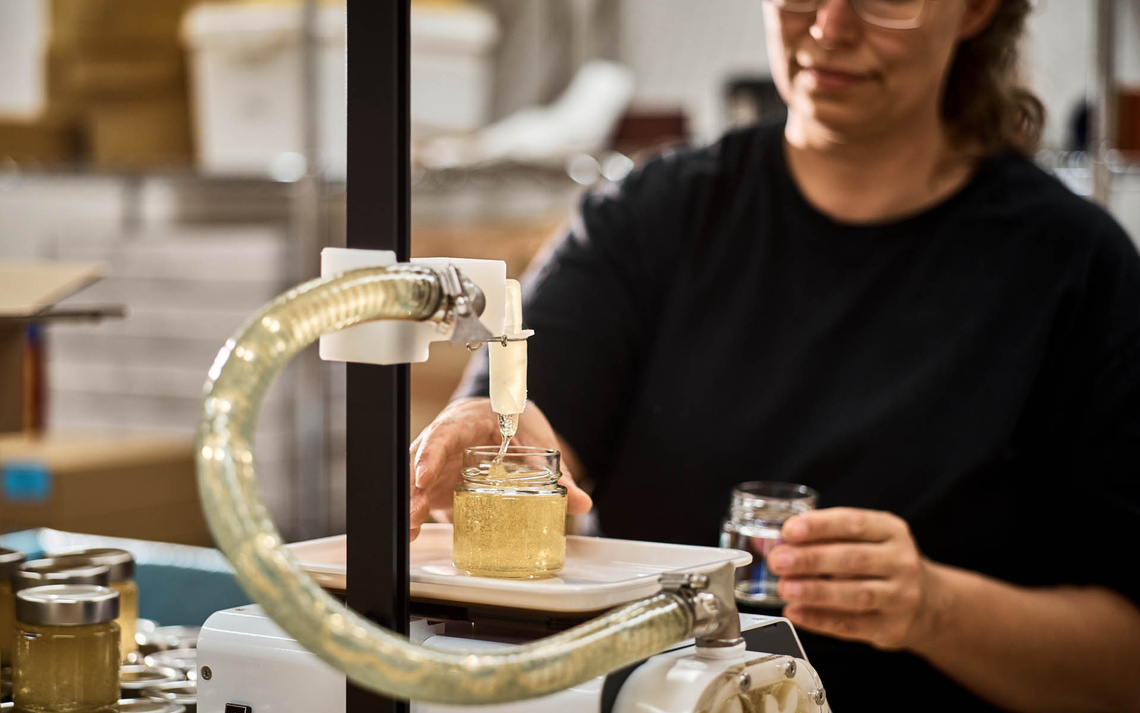
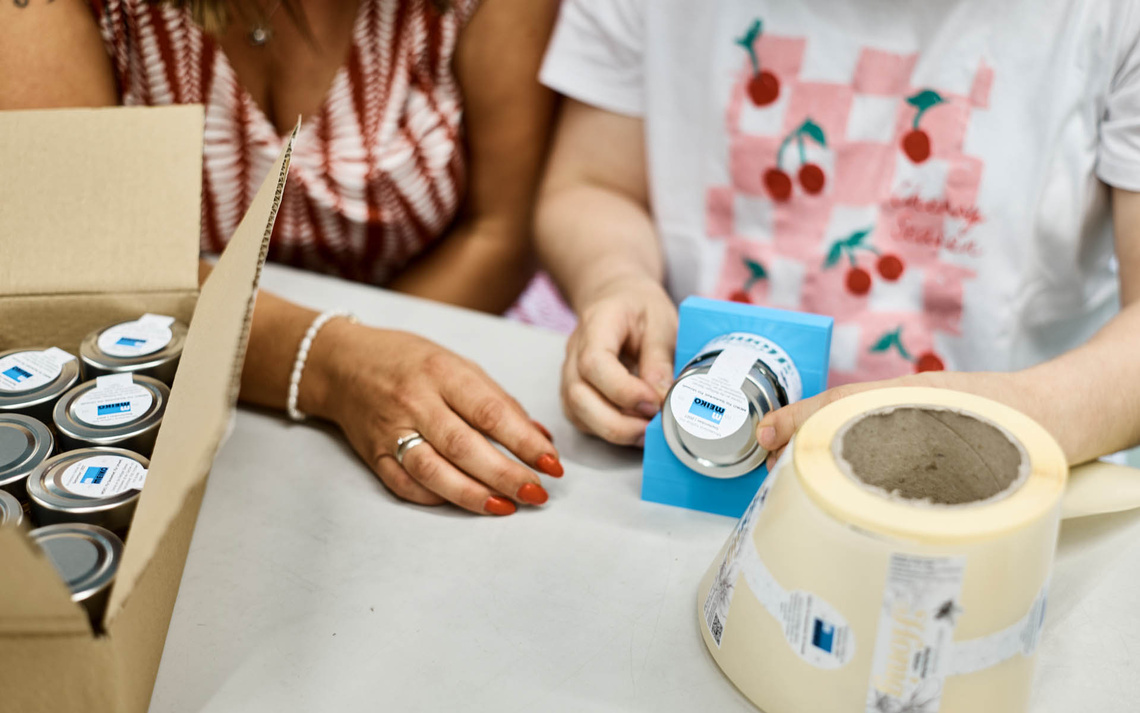
FROM HIVE TO HONEY JAR

DID YOU KNOW?
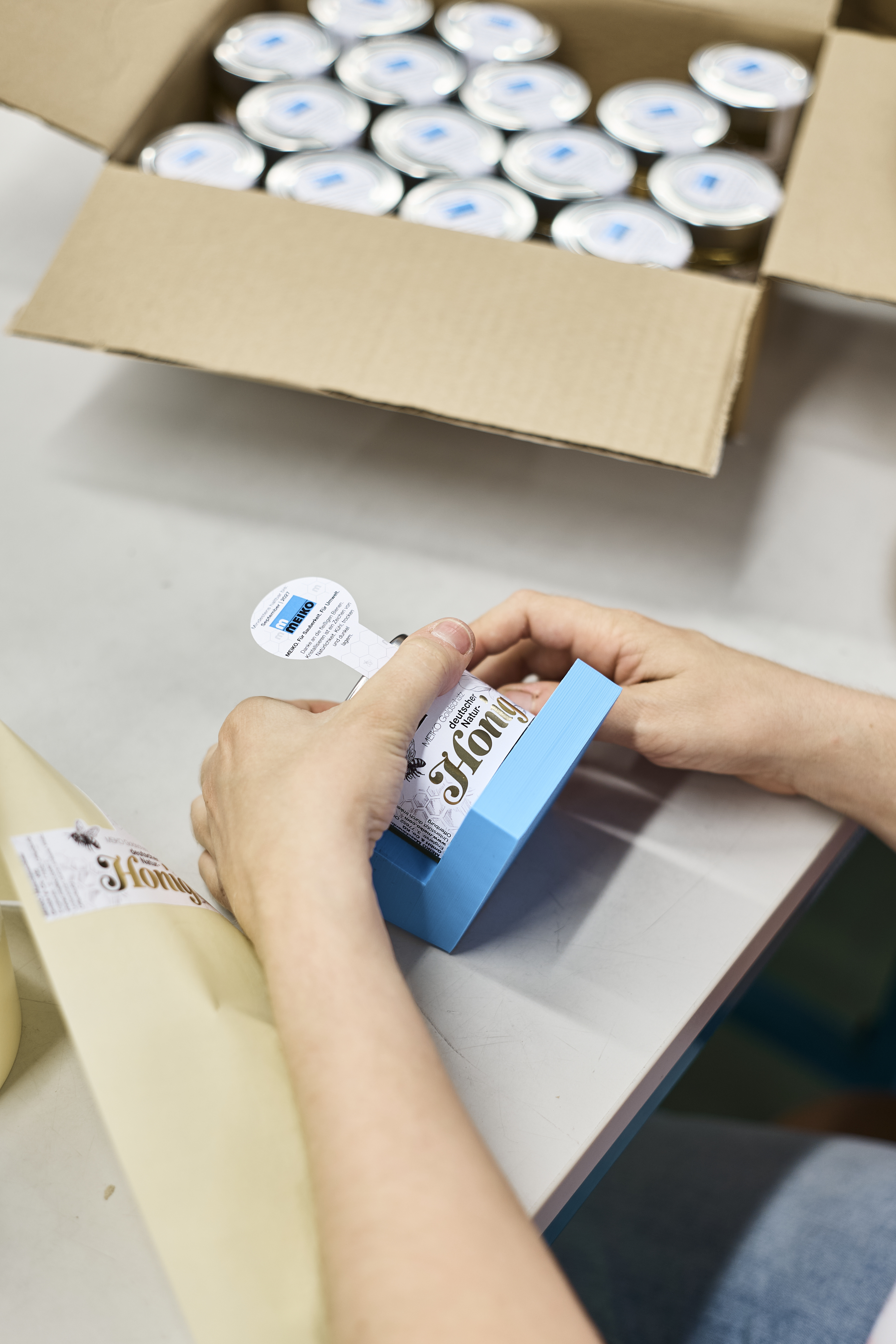
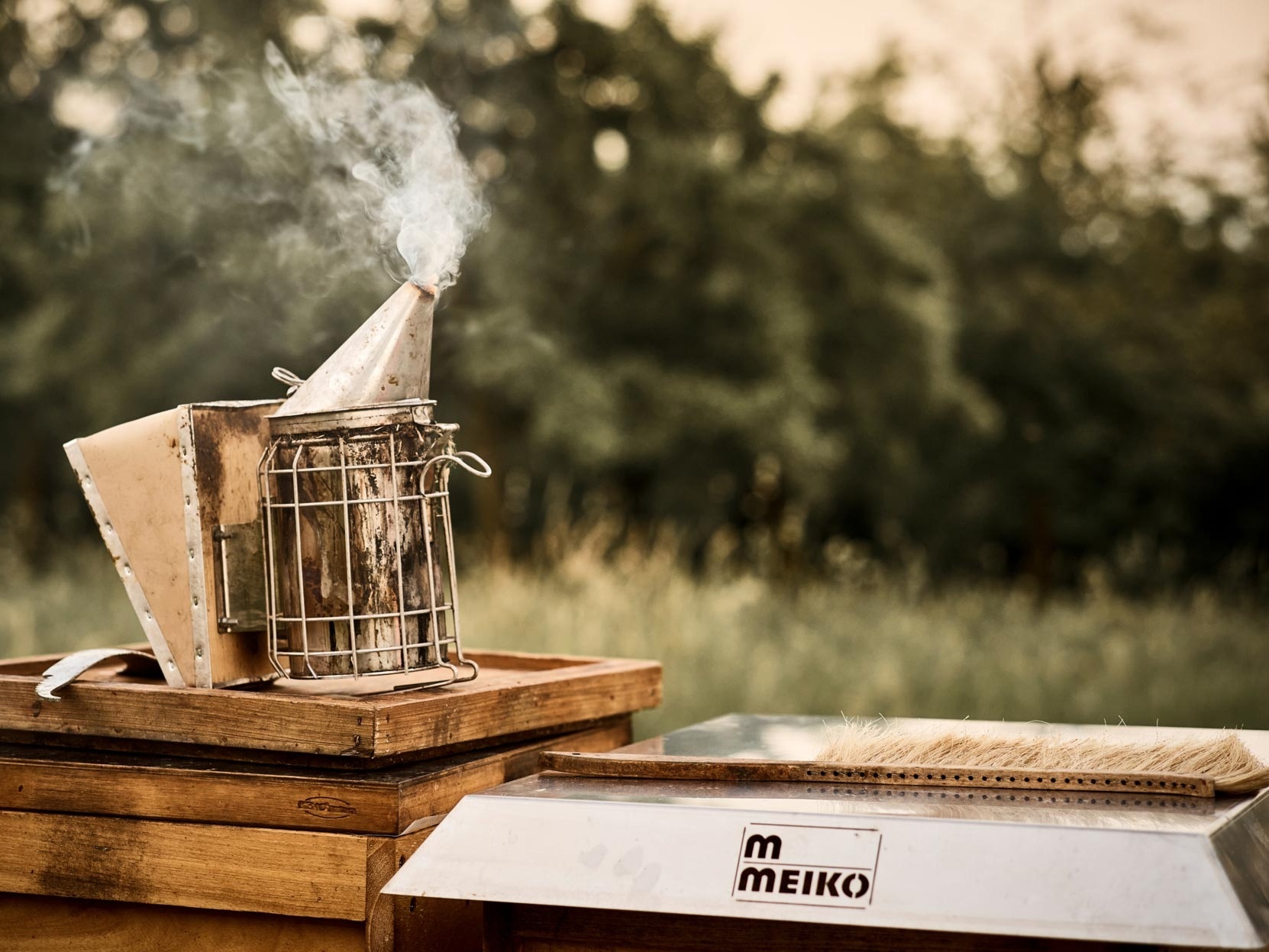
To give the bees the broadest possible choice of plants to pollinate, their colonies are moved to new sites at regular intervals. Roswitha and Bernd Walz carry out these relocations in the early hours of the morning, carefully following all the relevant guidelines. The surroundings and the flowers in bloom at each site are the factors that determine which variety of honey the bees make.
That's why MEIKO's colonies don't live on the company's premises all year round. They spend some of the time, especially the summer months, in places such as woodland, where the climate suits them better and there's a far more varied selection of food.
And the bees aren't the only ones that benefit from a change of location. As winter gives way to spring, the bees take their first cleansing flight: a quick trip outside to get rid of the waste they have been holding in during the cold months. In the car parks around MEIKO, this sometimes gave freshly washed cars a polka-dot pattern that nobody really wanted.
MORE THAN A HELPING HAND
QUICKFIRE QUESTIONS:
Beekeeper Bernd Walz
The role bees play in our lives is almost invisible to most of us. What role do they play in your life?
Bernd Walz: My father was a beekeeper before me, and I grew up around honeycombs, wax, beehives and honey. I was fortunate enough to be allowed to help with beekeeping even as a kid, and bees are still a big part of my life today. It's a passion shared by both my wife and my daughter, Cassandra.
Why do you take care of MEIKO's bees?
Bernd Walz: Because I think it's great when a machine builder takes on responsibility beyond its core business. It's important to me that people understand the role bees play in our environment and what bees need to thrive. MEIKO gives us the chance to raise awareness of these issues, which is why I'm so glad to look after the colonies and share my knowledge and experience.
WORKING TOGETHER TO PROTECT SPECIES
MEIKO's commitment to helping bee colonies extends beyond its own beekeeping initiative. Together with Roswitha and Bernd Walz, our company supports a number of regional efforts to protect bees and other insects.
One example is MEIKO's support for the Durbach Beekeepers' Association (Imkerverein Durbach e.V.) in its fight against the invasive Asian hornet. These hornets threaten bee colonies and numerous other species of insect. MEIKO helped fund the protective equipment the association needed for this work.
INTRODUCING…
Her Majesty!
A queen bee's most important task isn't to produce honey, but to ensure the continued survival of the colony. A single queen bee can lay up to 2,000 eggs a day in spring and summer. She also decides whether each egg becomes a worker or a drone.
We like the personal touch at MEIKO, and that's why we've given the queens of our six bee colonies specially chosen names:
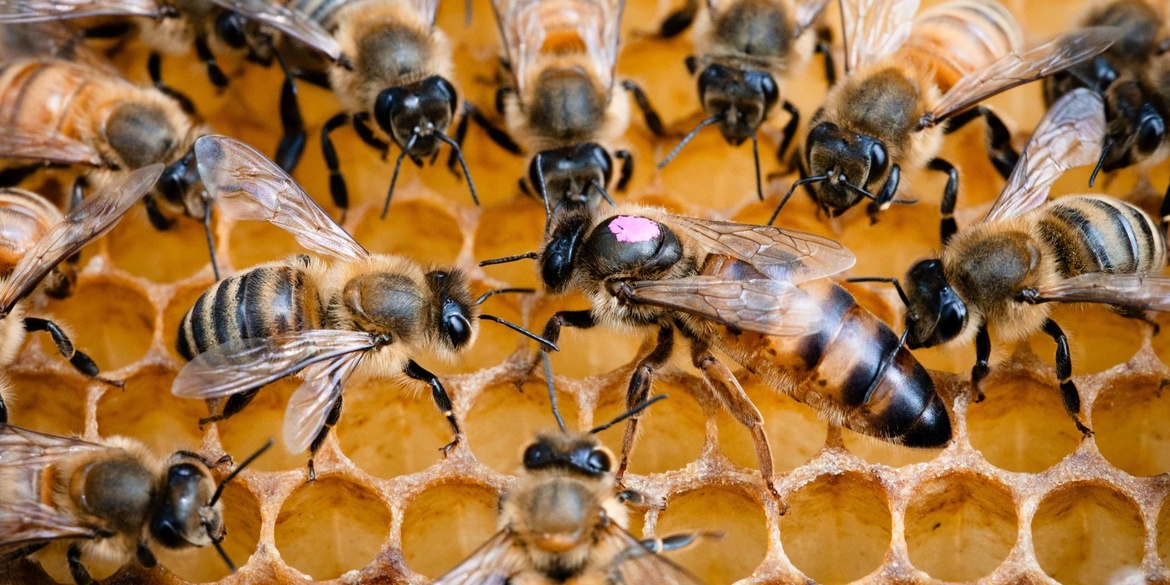
Each queen gets a coloured dot painted on her back by the beekeeper, so she's always easy to spot. That little dot is also the full stop on our story, which shows that there's far more to every MEIKO jar than just the honey it holds.